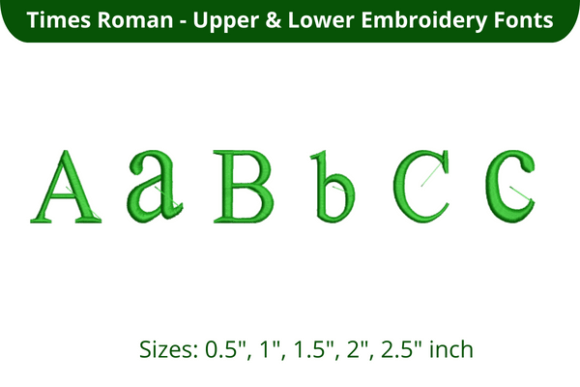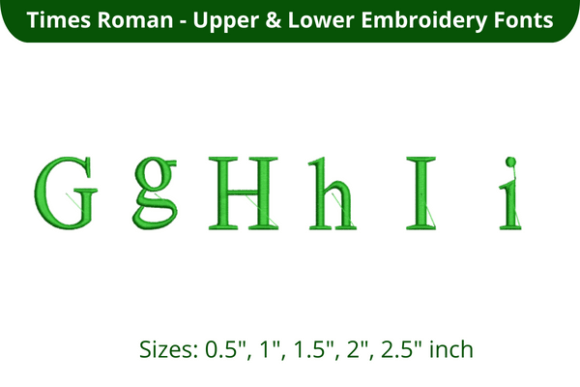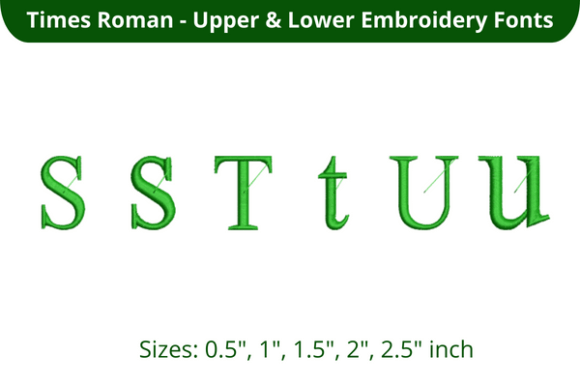
Times Roman Font STU: A Classic Touch for Personalized Gifts
First Impressions: Timeless, Trustworthy, Thoughtfully Crafted
As an embroidery designer who’s stitched over 3,000 personalized gifts—from baby blankets to wedding keepsakes—I opened the Times Roman Font STU file with quiet anticipation. Not flashy, not trendy—just clean, confident, and quietly elegant. It carries the warmth of a handwritten note but with the precision of a well-engineered machine embroidery design. This isn’t a playful script or a bold display font. It’s refined, legible at modest sizes, and deeply respectful of the fabric it lands on. Think heirloom kitchen towels, monogrammed pillow covers for a nursery, or a delicate date embroidered on the corner of a wedding guest book cover. Its charm lies in its restraint: no excessive flourishes, no fragile serifs that vanish under stitching. It feels classic—not dated—and handmade—not mass-produced.
Where Times Roman Font STU Shines: Real-Life Gift Applications
This font thrives where meaning meets material. For baby embroidery, it transforms simple cotton onesies or muslin swaddle blankets into tender keepsakes—“Eleanor • Aug 2024” stitched in soft ecru thread reads like a whispered promise. As a wedding gift, it elevates linen napkins or wooden coaster sets with initials and dates, adding gravitas without stiffness. Small shop owners and Etsy sellers will appreciate how effortlessly it supports storytelling: “Est. 2019” on a family apron, “The Smiths • Home Is Where We Are” on a canvas tote bag, or a short quote on a nursery wall hanging.
It’s especially effective for Back To School personalization—think embroidered lunchbox bags, backpack tags, or teacher appreciation towels. Unlike whimsical fonts that age quickly, Times Roman Font STU grows with the child, remaining appropriate from kindergarten through high school graduation. For custom embroidery on textured surfaces like terry cloth towels or woven pillow covers, its balanced letter spacing and moderate stroke weight hold up beautifully—no crowding, no gaps. And because it’s designed for versatility, it works equally well on lightweight quilting cotton and medium-weight linen blends.
Where to Use Times Roman Font STU With Care
Even the most reliable machine embroidery design has boundaries—and knowing them protects your reputation and your customer’s joy. Avoid using Times Roman Font STU for text smaller than 0.3 inches tall; fine serifs may blur or stitch inconsistently on dense fabrics. On thick, looped terrycloth towels or highly textured weaves, consider slightly increasing letter spacing in your editing software—or opt for a bolder variant if available. It’s not ideal for stretchy baby bodysuits or curved surfaces like mugs (unless digitized specifically for that application), as tension shifts can distort letter proportions.
Dark fabric demands attention: test your chosen thread colors thoroughly. Light gray or oatmeal thread may disappear on navy denim, while stark white can overwhelm delicate ivory linens. Always preview your digital embroidery file on a printable mockup first—especially for layered products like blanket embroidery or embroidered towel sets. And remember: frequent washing affects longevity. Reinforce stabilizer choice (cutaway works best for heirloom items) and confirm stitch density isn’t so tight it causes puckering after laundering.
Why This Font Builds Trust—and Sales
Customers don’t just buy letters—they buy intention. When someone orders a personalized gift, they’re investing emotion, memory, and often, celebration. Times Roman Font STU signals care. Its clarity says, “I chose this for you—not because it was fast, but because it matters.” That perception lifts perceived value instantly. A $28 embroidered pillow cover feels like a $45 heirloom when stitched in this font. For small business owners and handmade sellers, that translates directly to higher conversion rates, better product photography (clean lines photograph crisply), and stronger buyer engagement—especially in listings where customers scroll past cluttered, overly decorative fonts.
It also simplifies your workflow. Fewer customer questions about readability. Fewer re-stitches due to illegible small text. More repeat buyers who recognize your signature elegance across baby embroidery, wedding gift collections, and seasonal offerings. In fact, many of my wholesale partners report that orders featuring Times Roman Font STU have higher average order values—likely because customers confidently add coordinating items (e.g., matching blanket + pillow cover + onesie set) knowing the typography unifies them.
Practical Embroidery Notes You Can’t Skip
Before stitching your first customer order, do these five things:
- Test on scrap fabric—exactly matching your final product’s weight, weave, and stretch.
- Check thread color contrast in natural light *and* under your shop’s lighting. What looks perfect on screen may mute on fabric.
- Confirm hoop size compatibility. Even classic fonts sometimes require larger hoops for wider names or quotes.
- Review stitch density and adjust underlay if needed—especially for low-thread-count cottons or slippery silks.
- Use proper stabilizer: tear-away for stable wovens, cutaway for knits or heirloom pieces, and water-soluble for lace overlays or delicate appliqué.
And one non-negotiable: verify commercial licensing before listing any handmade product made with this embroidery file. If you’re selling finished goods (not the digital file itself), ensure your license permits commercial embroidery use. When in doubt, contact the designer or vendor—clarity now prevents disputes later.
A Font That Feels Like a Promise
In a market flooded with novelty fonts and AI-generated designs, Times Roman Font STU stands apart—not by shouting, but by listening. It listens to the hush of a newborn’s first blanket, the quiet pride of a graduate’s name on a custom tote, the reverence in a wedding date stitched onto linen. It doesn’t distract from the moment—it honors it. For crafters, Etsy sellers, baby product creators, and wedding gift designers alike, this is more than a machine embroidery design. It’s a trusted voice in thread—one that helps turn ordinary fabric into meaningful, memorable, and deeply personal gifts.