Blue Flower Applique: A Thoughtful Choice for Personalized Gifts
First Impressions: Sweet, Elegant, and Quietly Timeless
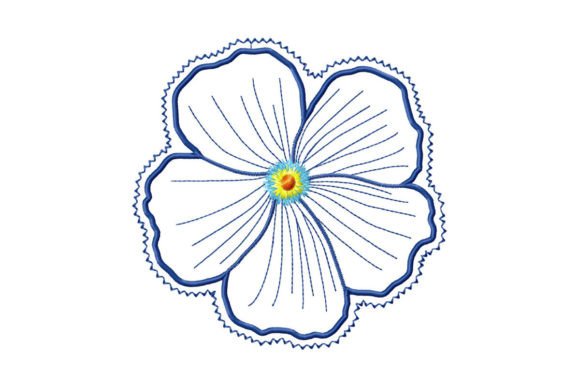
Unzipping the Blue Flower Applique embroidery file felt like opening a small envelope of quiet intention—no flashy graphics, no over-the-top embellishment. Just a single, elegant daisy in soft blue tones, rendered with clean appliqué lines and gentle curve work. It doesn’t shout; it invites. The mood is calm and tender—neither overly romantic nor strictly minimalist—but somewhere in that sweet spot where handmade charm meets refined simplicity. For a personalized gift, that’s gold. It reads as thoughtful, not trendy. Customers choosing this for a baby’s onesie or a wedding keepsake aren’t chasing fads—they’re investing in something that feels quietly meaningful.
Where This Design Truly Shines
The Blue Flower Applique excels in contexts where emotional resonance matters more than visual volume. As a baby embroidery motif, it lands beautifully on receiving blankets, knit booties, or muslin swaddles—its softness echoing the tenderness of early parenthood. For wedding gifts, it adds subtle elegance to linen napkins, embroidered pillow covers, or monogrammed tote bags carried by bridesmaids. I’ve stitched it onto lightweight cotton aprons for kitchen-loving couples and onto organic cotton tote bags for eco-conscious small shop owners—and each time, it elevated the handmade product without overwhelming it.
It also works surprisingly well for nursery decor: think framed hoop art with a simple white background, or delicately placed on a quilt square beside a child’s name. Etsy sellers will appreciate how easily it photographs—clean lines, balanced negative space, and a color palette that pairs effortlessly with neutral backdrops. That translates directly to stronger buyer engagement and higher perceived value. When customers see this design on a finished product, they don’t just see stitching—they sense care, intention, and quiet craftsmanship.
Smart Pairings for Real-World Use
- Embroidered towel: Works best on lightweight or medium-weight cotton towels—not thick terry. The appliqué holds beautifully when stabilized properly, and the blue pops against ivory or oatmeal.
- Pillow cover: Ideal for linen, cotton-linen blends, or smooth quilting cotton. Avoid heavily textured weaves where the appliqué edge might catch or lift.
- Blanket embroidery: Perfect for baby blankets made from Minky, bamboo fleece, or soft cotton flannel. Its scale feels intimate—not too large, not too shy.
- Custom embroidery for craft fairs: Stitches quickly, uses modest thread, and reads clearly even at arm’s length. Great for fast-turnaround orders.
Where to Proceed With Care
This isn’t a one-size-fits-all machine embroidery design—and that’s part of its honesty. Because it’s an appliqué element, fabric choice becomes part of the creative decision. Avoid using Blue Flower Applique on stretchy knits (like baby bodysuits or ribbed pajamas) unless you’ve tested stabilization thoroughly—appliqué edges can pucker or shift. Similarly, dark fabrics require careful thread color selection: light blue thread may fade visually, so consider slightly richer cobalt or denim-toned options for contrast.
Don’t place it on curved surfaces (like mugs or rounded tote handles) without adjusting placement and stabilizing aggressively—it’s designed for flat or gently contoured areas. And while it’s labeled “suitable for soft fabrics,” that doesn’t mean it’s ideal for every soft fabric: ultra-fuzzy fleece or loosely woven gauze can obscure delicate appliqué edges. Always test on scrap fabric first.
Practical Embroidery Notes You’ll Want to Keep Handy
- Test before committing: Run a sample on the exact fabric and stabilizer combination you plan to use—even if it’s your tenth time stitching this design.
- Confirm hoop size and stitch density: Since the product description mentions it’s a floral applique for soft fabrics, expect moderate stitch density—not sparse, but not heavy enough to stiffen delicate textiles.
- Use appropriate stabilizer: Tear-away works well for stable wovens; cut-away or mesh is safer for knits or loosely woven fabrics.
- Compare light and dark fabric mockups: A printable mockup helps visualize how thread colors interact—especially important when selling digitally or preparing product photography.
- Check small details after stitching: Appliqué corners and petal tips are easy to miss during trimming—inspect closely under good light.
- Verify commercial licensing: If you’re an Etsy seller or small shop owner offering finished products, confirm whether your purchase includes rights for commercial embroidery. Never assume.
Why This Design Builds Trust—and Sales
In a crowded marketplace of digital embroidery files, Blue Flower Applique stands out not for complexity, but for clarity of purpose. It doesn’t try to be everything. It’s a single flower—thoughtfully composed, emotionally resonant, and technically sound for its intended use. That consistency builds customer trust. When someone sees this design on your embroidered towel or baby blanket listing, they don’t wonder if it’s “too busy” or “not special enough.” They feel reassured: this is made with attention, not algorithm.
For wedding gift designers, it offers quiet sophistication. For baby product creators, it whispers gentleness. For craft fair vendors, it’s versatile, photogenic, and quick to stitch—without sacrificing quality. Even as a digital embroidery file, it carries warmth. That’s rare. And that’s why it belongs in your Single Flowers collection—not as filler, but as a quiet anchor.
A Final Thought for Small Business Owners
If you sell personalized gifts, remember: people aren’t buying thread and stabilizer. They’re buying meaning, memory, and moment. The Blue Flower Applique doesn’t distract from that—it deepens it. Whether stitched onto a kitchen towel gifted to a new homeowner or framed beside a baby’s first photo, it says, “I chose something gentle, intentional, and true.” That’s not just embroidery. That’s connection—stitched, one petal at a time.