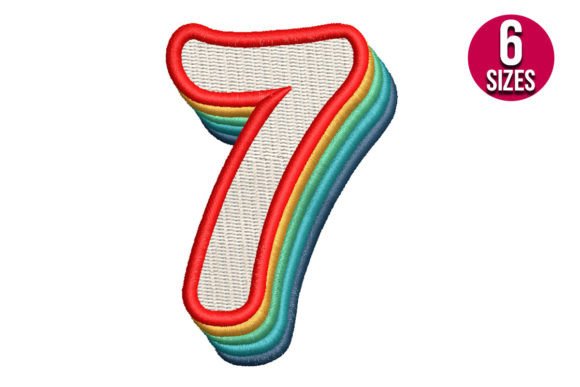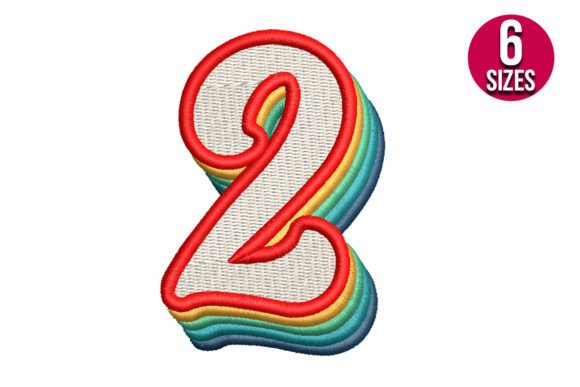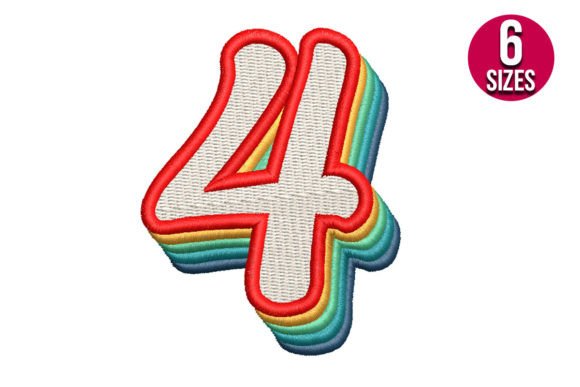
Retro Number Four: A Craft Fair Standout
First Impression: Bold, Playful, and Instantly Recognizable
As an embroidery designer who’s prepped over 200 craft fair booths—from Portland pop-ups to Nashville maker markets—my gut reaction to Retro Number Four is immediate: it’s bold without being loud, playful without feeling childish, and retro without tipping into kitsch. The title alone signals confidence and nostalgia, and the description (“colorful,” “fun and easy to stitch”) tells me this isn’t a delicate script or a fussy monogram—it’s built for visibility, versatility, and joyful repetition. For Birthdays, that’s gold: think “4th birthday,” “40th milestone,” or even “Fourth of July” as a subtle nod. It lands somewhere between modern vintage and friendly handmade—exactly where today’s best-selling small shop product lives.
Where Retro Number Four Shines on Real Craft Fair Goods
In my booth setup, I always lead with tactile variety: embroidered tote bags, cotton aprons, linen tea towels, structured caps, peel-and-stick patches, drawstring fabric pouches, and pillow covers lined with contrast piping. Here’s how Retro Number Four performs across them:
- Tote bag design: Perfect as a centered chest logo or side-panel accent—large enough to read from three feet away, colorful enough to catch light under market tents.
- Apron embroidery: Ideal above the pocket or on the bib. Its clean number shape reads clearly even when slightly distorted by fabric drape.
- Tea towel embroidery: Works beautifully in the lower corner or centered mid-panel. Just avoid dense stitch areas near hems where fabric texture might blur fine lines.
- Embroidered patch: Highly effective as a sew-on or iron-on badge—especially when backed with twill or felt for durability and shelf appeal.
- Caps and curved surfaces: Requires careful hooping and stabilizer choice. Test first on scrap fabric—the curves of a cap bill can stretch thin outlines if stitch density isn’t balanced.
- Fabric pouches and pillow covers: Scales well both large (front focal point) and small (corner monogram). Customers consistently pause longer at items where the design feels intentional—not generic.
What Makes Retro Number Four Sell—Beyond the Stitch
At a craft fair, attention lasts 3–5 seconds. Retro Number Four wins because it’s instantly legible, emotionally warm, and context-flexible. It doesn’t require explanation—no decoding needed like abstract motifs or inside-joke lettering. That clarity translates directly to Etsy seller success: shoppers scroll fast, click faster, and convert when visual intent matches their need (e.g., “I need a fun 4th birthday gift”). As a machine embroidery design, its repeatable rhythm also supports batch production—critical when prepping 30+ tote bags or 50 tea towels before market weekend.
Photographically, it holds up beautifully: bright thread colors pop against natural linens and heathered cottons, and its clean edges reproduce well in printable mockups used for social posts and digital listings. Unlike intricate florals or tight script fonts, Retro Number Four rarely loses definition at smaller sizes—making it reliable across product types, from tiny pouch tags to oversized pillow fronts.
Careful-Use Notes Every Embroidery Designer Should Check
“Fun and easy to stitch” doesn’t mean zero prep. Before cutting fabric or loading hoops, test these practical points:
- Dense stitch areas: If the design includes thick outlines or layered color blocks, verify stitch density won’t cause puckering on lightweight cotton or textured terry cloth.
- Tiny details: Some retro fonts include subtle serifs or inner highlights—check whether those translate cleanly on dark fabric or low-thread-count canvas.
- Fabric texture: Tea towels and linen blends demand medium-weight cutaway stabilizer; skip tear-away here—it won’t fully support the design’s structure.
- Curved surfaces: Caps and pouch gussets need precise hooping and possibly basting spray—don’t assume the same settings work across flat and rounded substrates.
- Small sizes: Below 2.5 inches wide, some retro stylings blur. Always run a 2-inch test on your target fabric before committing to 100 units.
Design Decisions That Lift Your Entire Booth
Retro Number Four strengthens your visual story—not just as a standalone embroidery file, but as part of a cohesive handmade product line. When repeated across totes, aprons, and patches in matching thread colors, it builds brand recognition faster than any logo. At market, customers notice consistency: “Oh—you do the retro numbers!” That recognition converts browsers into repeat buyers. It also pairs effortlessly with complementary design assets—think coordinating birthday banners, printable cake toppers, or simple vinyl decals—making your booth feel curated, not cluttered.
For Etsy sellers and small shop owners, this kind of versatile, mood-aligned design increases average order value: someone buying a Retro Number Four tea towel often adds the matching pouch or embroidered patch. And because it’s rooted in celebration (Birthdays), it naturally fits seasonal promotions—back-to-school “Class of ’24,” graduation “4 Years Strong,” or even “4th Quarter Goals.”
Final Designer Checklist Before Market Weekend
Before stitching your first Retro Number Four finished product, do this:
- Test the embroidery file on scrap fabric matching your final substrate—same thread colors, same hoop size, same stabilizer.
- Compare contrast: does the thread pop on cream? Read clearly on navy? Adjust if needed.
- Review spacing and alignment—especially if pairing with text (e.g., “Est. 2024” or “4th Birthday”).
- Confirm commercial embroidery rights are included—if you’re selling physical goods, not just the digital embroidery file, licensing matters.
- Create at least one real mockup—not just a digital preview. Hang it on your booth display rail. Does it hold attention? Does it look handmade, not mass-produced?
- Check thread tension and bobbin quality—retro designs with bold fills show skipped stitches more obviously than minimalist lines.
Retro Number Four isn’t just another digitized number. It’s a conversation starter, a repeatable revenue builder, and a smart anchor for any craft fair product lineup built on authenticity, clarity, and cheerful craftsmanship.