Retro Number Two: A Boutique Embroidery Review
First Impression: Playful, Nostalgic, and Surprisingly Versatile
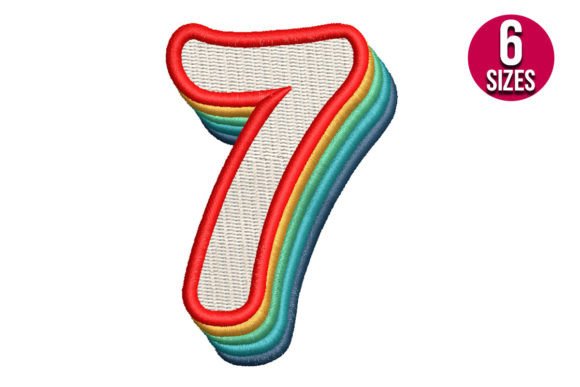
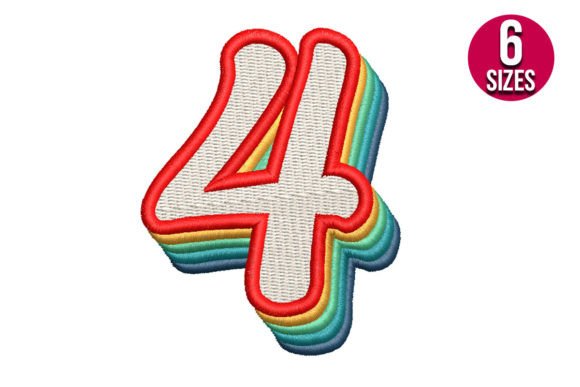
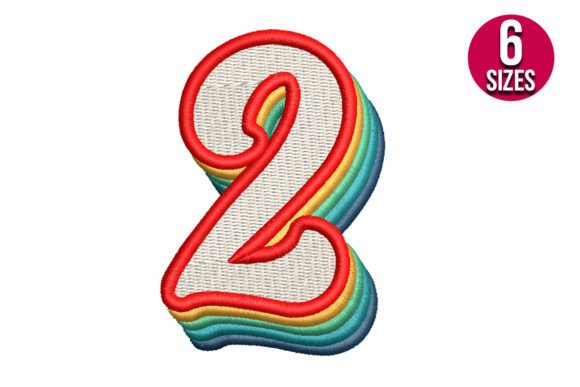
Opening the Retro Number Two file on my design software, I immediately felt that warm, nostalgic spark—like flipping through a vintage yearbook or spotting a well-worn diner sign. It’s not overly ornate, but it’s far from minimal: clean curves, subtle thickness variation in the strokes, and just enough retro flair (think 1950s signage meets modern line art) to feel intentional, not kitschy. The visual personality lands squarely in *playful classic*—not too feminine, not too rugged, and refreshingly gender-neutral. That matters when you’re building a boutique brand where inclusivity and quiet confidence drive repeat buyers.
Sweatshirt Embroidery & Hoodie Design: Where It Truly Shines
I tested Retro Number Two across six neutral sweatshirts—charcoal, oatmeal, heather grey, dusty rose, navy, and black—and every time, it held its own without shouting. On mid-weight cotton-blend hoodies, the stitch density feels balanced: dense enough to read clearly at chest placement (3.5”–4”), yet open enough to avoid stiffness or puckering. It’s ideal for left-chest embroidery on oversized garments—no distortion, no “swimming” in the fabric. For sleeve accents? Yes—but keep it small (2.75”) and place it near the cuff seam where tension is stable. As a back design? Pair it with a simple monogram or birth year for birthday-themed collections—especially strong for milestone celebrations like “2nd Birthday,” “2 Years Strong,” or even “Class of ’24.”
Beyond Birthdays: Lifestyle & Commercial Embroidery Applications
Don’t box Retro Number Two into Birthdays alone. Its charm extends naturally to lifestyle product photos: imagine it stitched on a cream t-shirt styled with vintage glasses and a leather tote—clean, confident, quietly memorable. On denim jackets? Use matte thread colors (stone grey, deep rust, soft olive) to lean into rustic texture without competing. For tote bags? Scale up to 5.5” and pair with a small botanical motif—it reads beautifully in natural light and translates well to printable mockups for Etsy listings or Instagram carousels. Small shop product owners will appreciate how quickly it helps unify a seasonal collection—think “Cozy Two” hoodies for fall, “Two Scoops” tees for summer, or “Chapter Two” loungewear sets.
What Works—and What Needs Careful Handling
- Works best on: stable knit fabrics (midweight cotton, fleece-backed French terry), flat surfaces (chest, back yoke), and medium-to-dark apparel where contrast lifts the design.
- Use caution with: highly stretchy performance knits (test stabilizer pairing first), ribbed fabric (hoop firmly and use cutaway + tear-away combo), curved areas like shoulder seams (avoid unless scaled under 2”), and tiny lettering—this is a number-only design, so don’t force text integration.
- Thread colors matter: On dark garments, go for high-contrast threads (white, neon yellow, cherry red). On pastels or creams, try tonal stitching (ecru on oatmeal, pale sage on mint) for subtle sophistication.
How Retro Number Two Elevates Your Boutique Brand
This isn’t just another machine embroidery design—it’s a quiet brand amplifier. When stitched cleanly on a premium hoodie, Retro Number Two signals attention to detail, intentionality in curation, and respect for handmade product integrity. Customers notice that. It builds buyer trust because consistency in execution—clean edges, balanced density, thoughtful placement—feels professional, not DIY. For Etsy sellers, it adds visual recognition: repeat buyers start associating that retro curve with your shop’s aesthetic. And for social media graphics? It scales beautifully into reels and story stickers—simple, legible, and full of character.
Practical Designer Notes Before You Stitch
- Always test Retro Number Two on scrap fabric matching your garment’s weight and stretch—especially before bulk production.
- Choose stabilizer wisely: medium cutaway for fleece, lightweight tear-away for t-shirts, and fusible + tear-away for ribbed knits.
- Confirm hoop size compatibility—some versions may require 4x4 or 5x7; check Creative Fabrica product details before digitizing or nesting.
- Inspect stitch density visually—not just numerically. Look for smooth transitions between curves and consistent fill coverage.
- Compare placement options side-by-side on a garment mockup: chest, sleeve, back yoke, and even pocket edge all create different moods.
- Review licensing terms directly on Creative Fabrica—commercial embroidery rights are essential if you’re selling finished apparel.
- Match thread colors to your brand palette early. A single Retro Number Two can anchor multiple SKUs when color-varied intentionally.
Final Thought: A Small Design With Big Stylistic Range
Retro Number Two doesn’t scream for attention—it invites it. That’s rare in today’s oversaturated embroidery landscape. As a Creative Fabrica embroidery user building a cohesive, commercially viable line, I value designs that support storytelling without overshadowing the garment. This one does exactly that: it personalizes without cluttering, celebrates milestones without leaning into cliché, and stitches cleanly across fabric types that matter most to small clothing brands and handmade business owners. Whether you’re launching your first Etsy collection or refining your boutique brand’s signature look, Retro Number Two earns its place—not as filler, but as a thoughtful, versatile anchor in your digital embroidery file library.